








A good doormat can last for years, but there's no universal expiry date.
How often you need to replace your doormat depends on the material, how much use it gets, where it's positioned and how well it's been looked after. A front door used by two adults once or twice a day has very different requirements from a busy family entrance with children, dogs and constant foot traffic.
So, how do you know when it's time for a new doormat?
There's no fixed replacement schedule
You don't necessarily need to replace your doormat every year. Instead, look at its condition.
A high-quality doormat should continue to do its job: helping remove dirt and moisture from shoes while staying securely in place. When it stops doing those things effectively, it's probably time to consider a replacement.
Some signs are obvious. Others are easier to miss.
1. It's looking worn or flattened
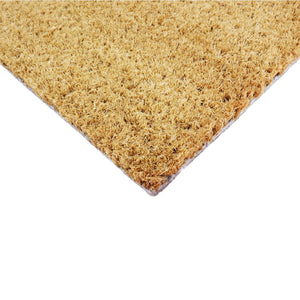
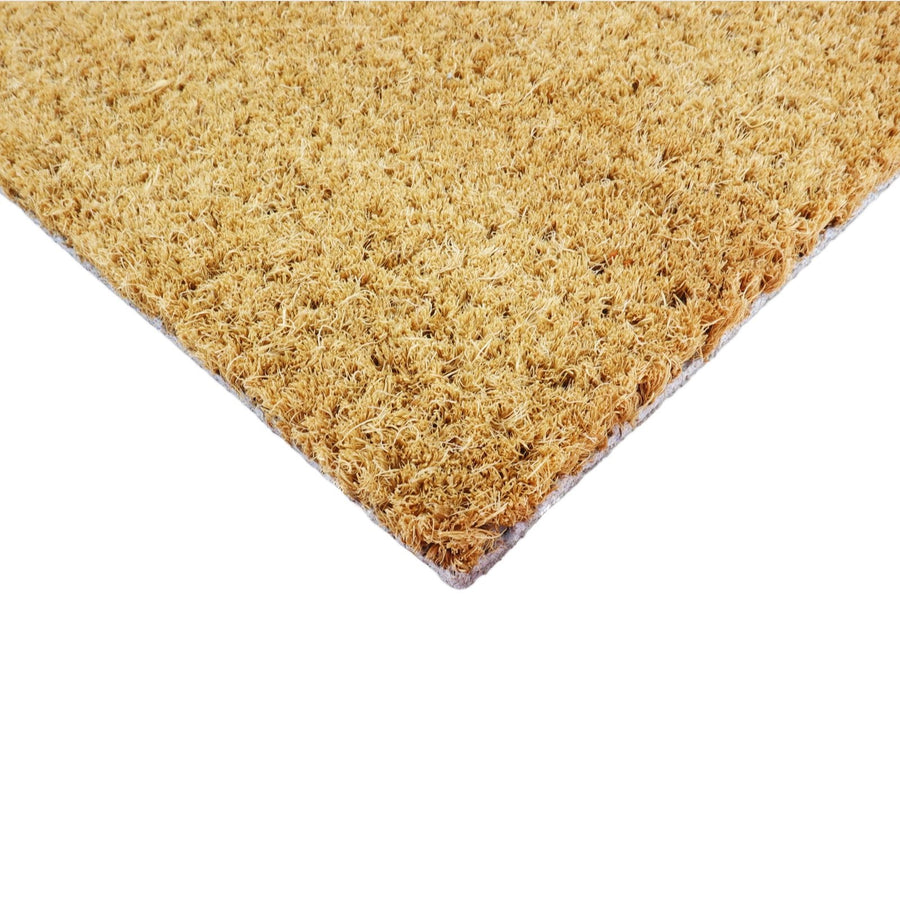
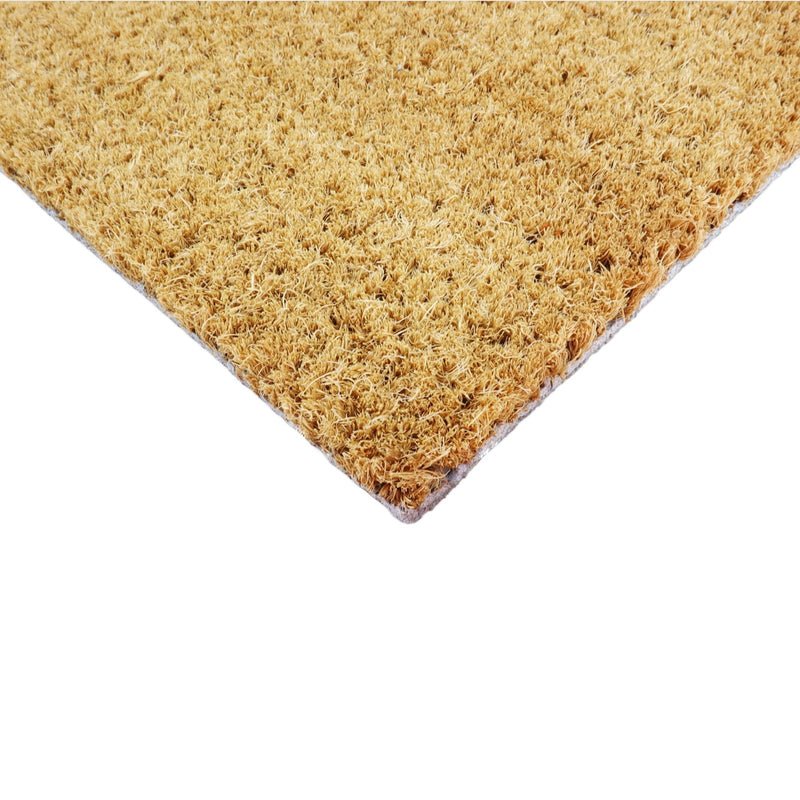
Natural coir fibres can become flattened over time, particularly in high-traffic areas.
If your doormat has developed a noticeably worn patch where everyone enters the house, it may not be working as effectively as it once did.
A little wear is normal. A completely flattened or thinning surface is a different story.
2. The backing is no longer doing its job
The backing is just as important as the top of your doormat.
If your mat has started moving around when people walk over it, curling at the edges or lifting from the floor, it may have reached the end of its useful life.
A secure, non-slip mat is particularly important in busy family homes, where people are constantly coming and going.
3. It won't come clean
Every doormat collects dirt, that's literally its job. If you've cleaned your mat according to its care instructions and it still looks permanently stained, dirty or tired, it might be time for a replacement.
Outdoor Mats are particularly useful for muddy entrances because they're designed to be easy to clean. Depending on the mat, they can be hosed down or machine washed to remove everyday dirt.
Washable indoor mats offer another practical option for busy homes because they can go into the washing machine when they need a deeper clean.
Click here to read our full, in-depth doormat cleaning guide.
4. It no longer absorbs moisture effectively
If your doormat is designed to absorb moisture, pay attention to how it performs after wet weather.
A mat that has become saturated, damaged or excessively worn may no longer be helping to keep your hallway dry.
This is especially important during autumn and winter, when wet shoes and muddy paws are regular visitors.
5. It's faded or damaged
Outdoor exposure can be hard on any material. If your outdoor mat has become badly faded, cracked or damaged, it may be time to replace it.
When choosing a new outdoor doormat, look for one designed to cope with the conditions it will actually experience. Weather-resistant materials can make a big difference if your entrance is exposed to rain and changing temperatures.
Read all about Artsy Mats Outdoor Doormats here.
6. Your needs have changed
Sometimes the mat isn't the problem, your household is.
Perhaps you've got a new puppy, your children have become more involved in outdoor activities, or you've moved somewhere with a much more exposed entrance.
A doormat that worked perfectly before might not be the best choice now. If your entrance has become busier or muddier, consider whether a different type of mat would work better.
How long should a coir doormat last?
There's no single lifespan for a coir doormat.
The amount of foot traffic, exposure to moisture and general care all make a difference.
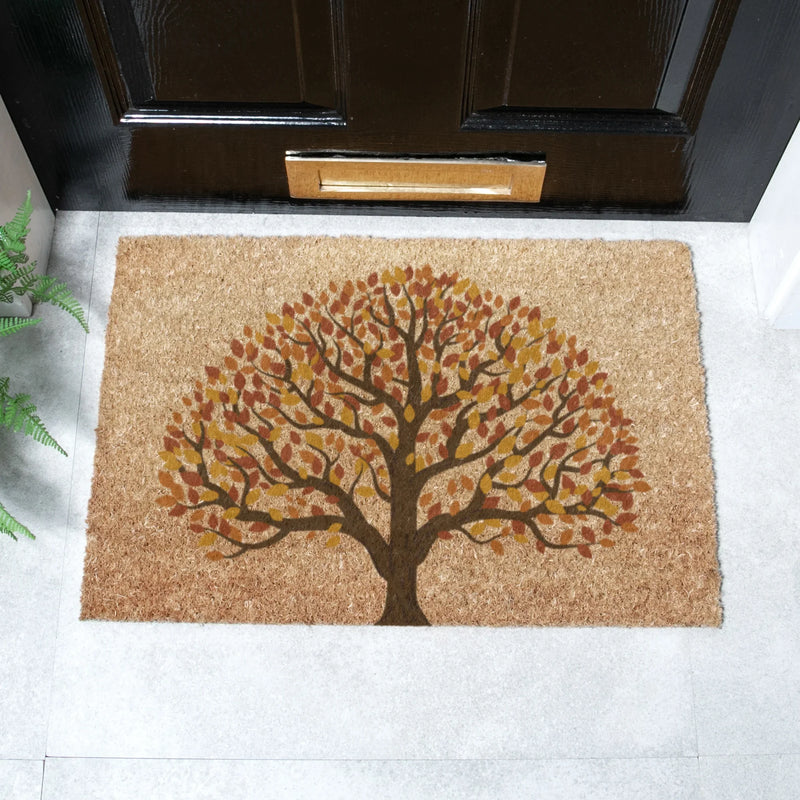
Coir is naturally hard-wearing, but it's best suited to indoor or sheltered outdoor entrances. Keeping it dry and away from heavy rain and standing water will help prolong its life.
If you're looking for a mat for a fully exposed entrance, an outdoor mat is generally a better choice.
Can you make your doormat last longer?
Absolutely. The easiest way to extend the life of your mat is to choose the right type for its location.
For example, don't use a coir mat in an exposed position where it will regularly become soaked. Similarly, don't expect an indoor washable mat to deal with the same conditions as an outdoor entrance.
Regular cleaning also helps. Shake or brush away loose dirt where appropriate, follow the manufacturer's cleaning instructions and avoid using methods that aren't suitable for the material.
Read our full, in-depth doormat cleaning guide here.
What about using two doormats?
For busy homes, two mats can actually be better than one.
An Outdoor Mat can sit outside the entrance to deal with dirt, while a coir or washable mat inside provides another opportunity to dry and clean shoes before they reach the hallway.
Think of it as a double-defence system rather than asking one mat to do everything. It's particularly useful for homes with dogs, children or anyone who enjoys a muddy walk.
The bottom line
You don't need to replace your doormat simply because you've had it for a certain number of years.
Instead, ask yourself:
- Is it still securely in place?
- Is it still removing dirt effectively?
- Is it still absorbing moisture?
- Can it still be cleaned properly?
- Is the material showing significant wear?
- Is it suitable for where you're using it?
If the answer to several of these is no, it could be time for a new one.
And if your needs have changed, it might also be time to rethink the type of doormat you're using - because the best doormat is always one that's suited to your home, your entrance and the amount of everyday life it has to cope with.
If it's time for a new doormat, check out our Artsy Mats here.


